

EXHIBITION
Communication is essential, above all.
— Nam June Paik
From Bijutsu Techo, August 1984 issue
The artist's job is to think about the future. Now, future projection is very difficult.
-Nam June Paik
From "Random Access Information", 1980. *Originally published in Artforum, no.19 (September 1980): 46-49 Based on a lecture given as part of the “Video Viewpoints” series at the Museum of Modern Art in New York, Barbara London, the museum’s video curator, compiled the article.
Generally people say that robots are created to decrease people’s work but my robot is there to increase the work for people.
-Nam June Paik
Sharp, Willoughby. "Artificial Metabolism". Spring / Summer 1982年より
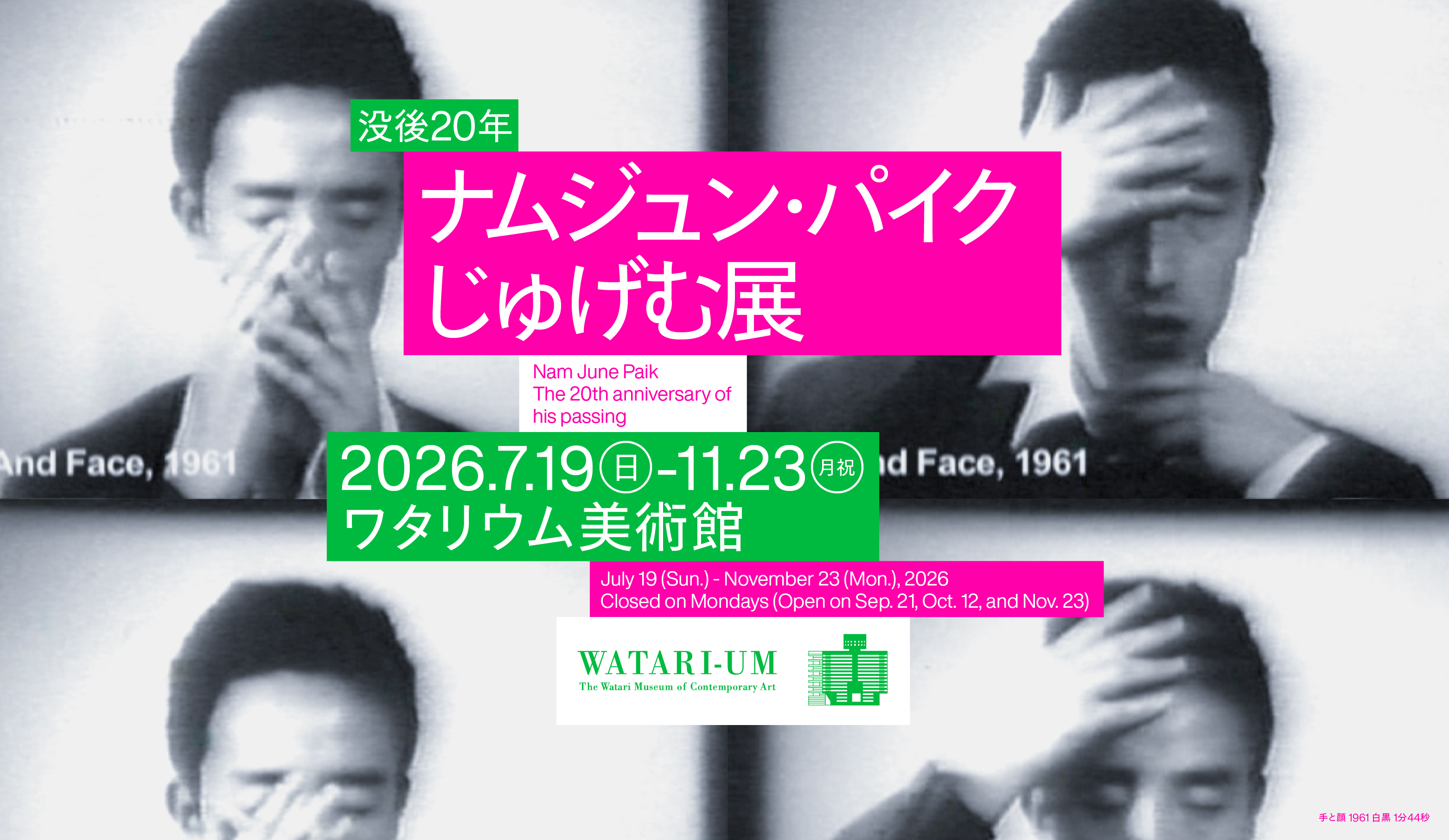
More than half a century has passed since Nam June Paik (1932–2006) unveiled his pioneering media art in West Germany in 1963. When West Germany was still in an era of monochrome, single-channel television broadcasts, Paik laid the foundation for today’s media art.
The media have continued to evolve, from cathode ray tubes to LCD screens, smartphones, and AI. Yet Paik’s works have not lost their luster. If anything, as time goes on, the novelty of his work stands out even more. Whether it be a cathode ray tube, a canvas, or paint, they are all equally means of self-expression.
As media change daily and eventually fall out of use, will media art be forgotten along with them? ———— A work of art is not something for which time stands still the moment it is created. It transcends eras and is in a state of constant flux. Paik’s works will continue to live on, long and long. This summer, marking the 20th anniversary of his passing, we revisit Paik from multiple perspectives: as an artist, a man of letters, a philosopher, and a prophet.
WORKS
-
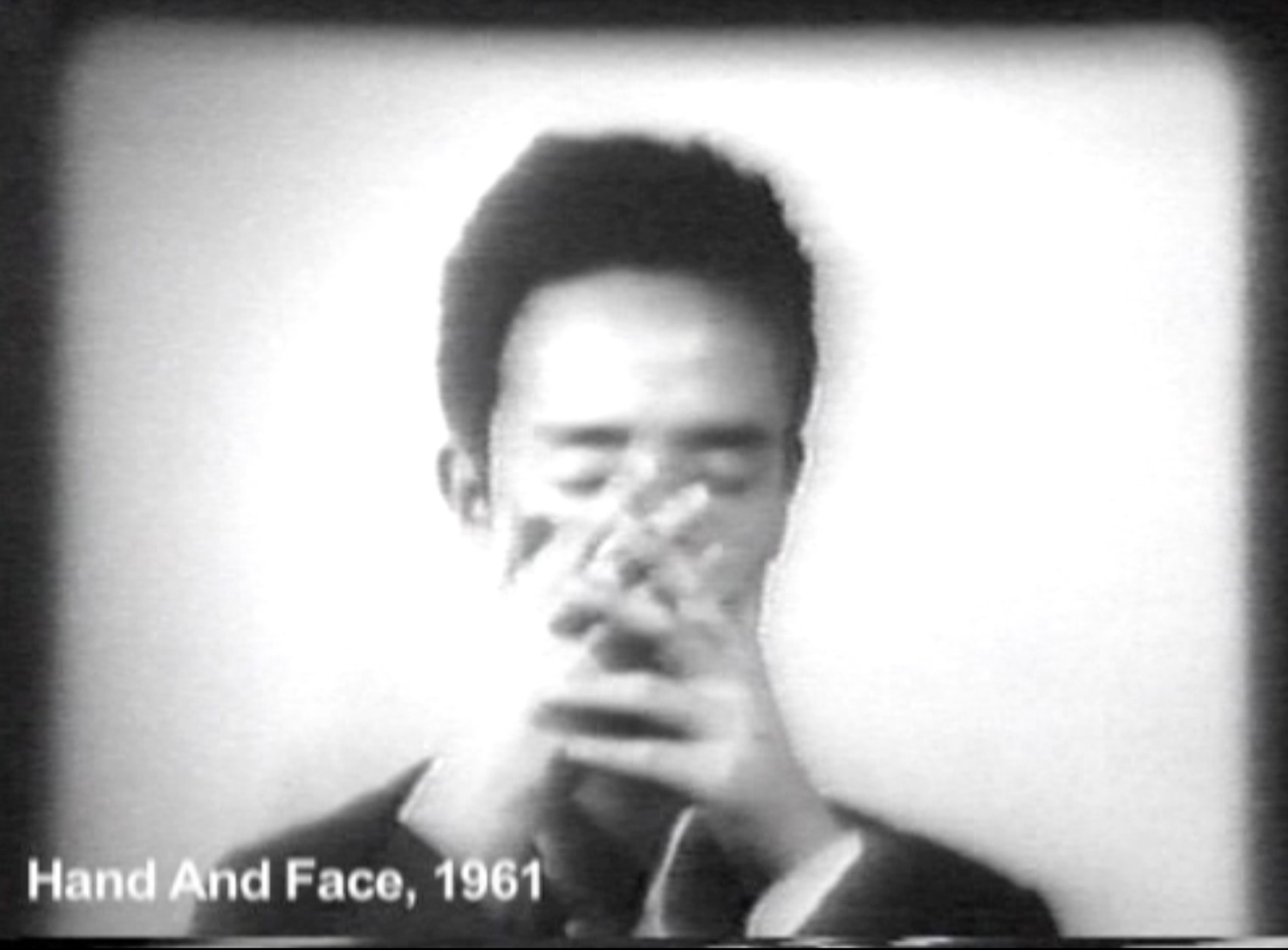
Hand and Face, 1961. Black and white. 1’44”
-
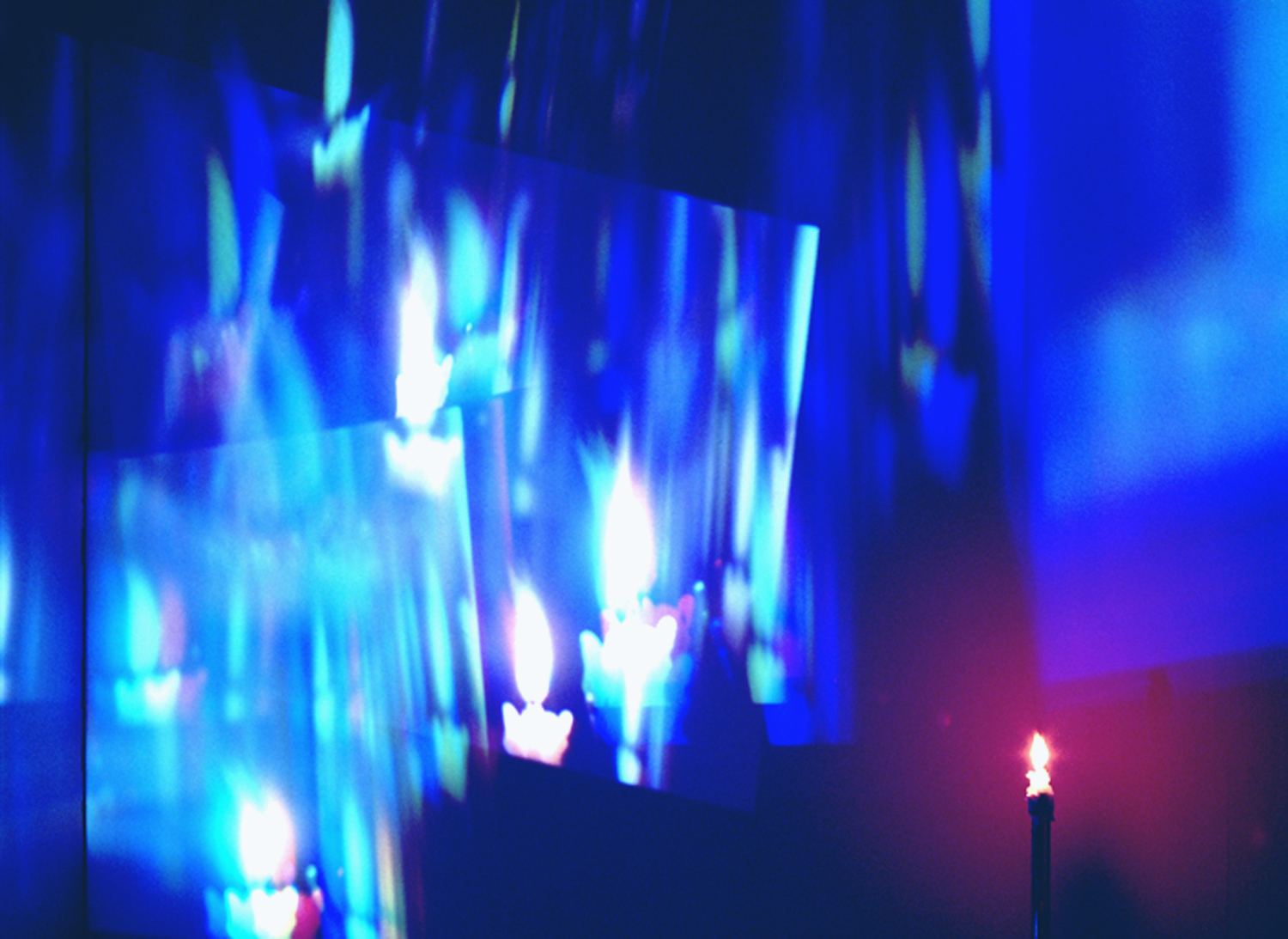
New candle, 1993. Candle, candle holder, 1 video camera, 4 video projectors.
-
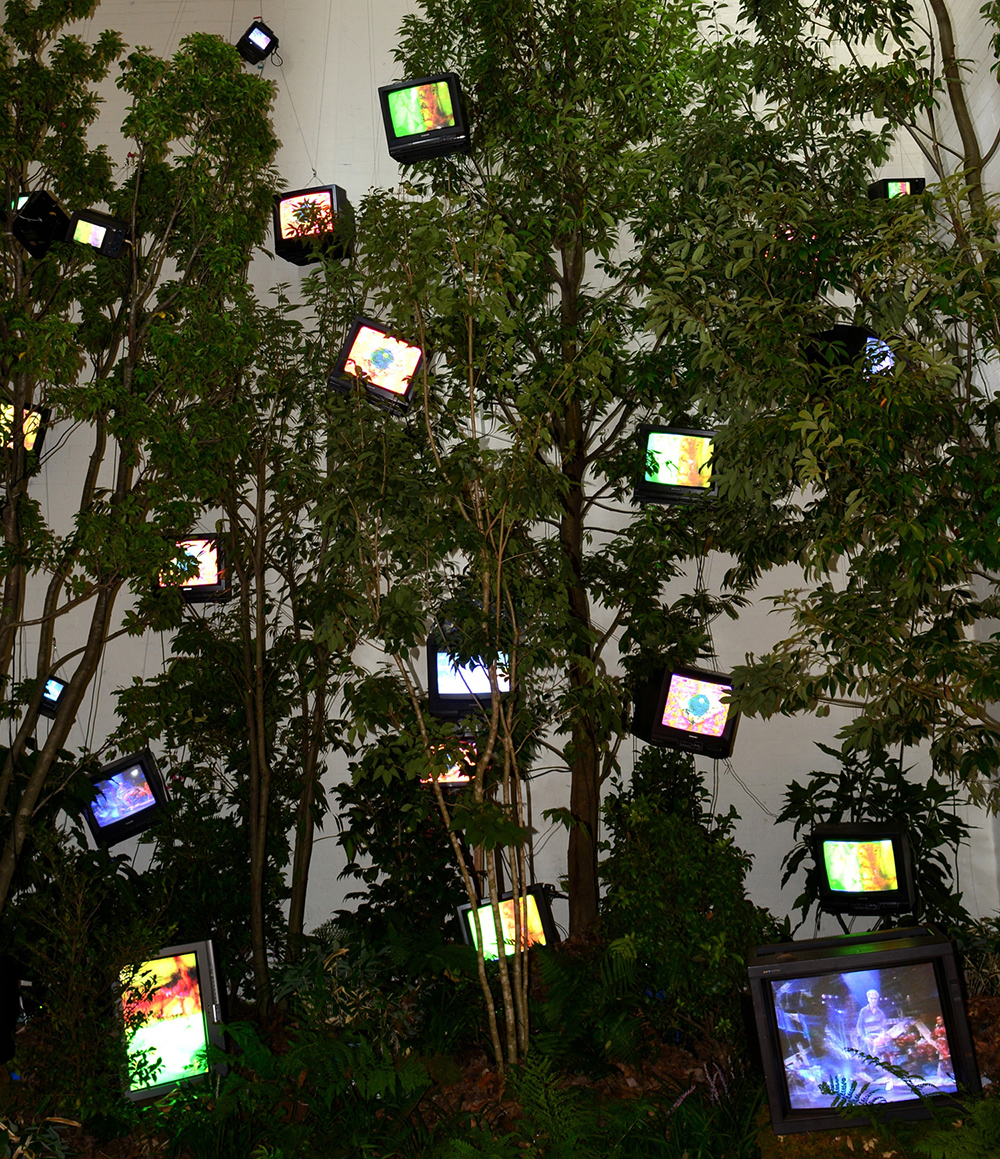
Forest of Cage / Revelation of the Forest (part), 1993. Llive plants, 23 monitors, 3-channel audio visual image, 3 players, a set of stereos.
-
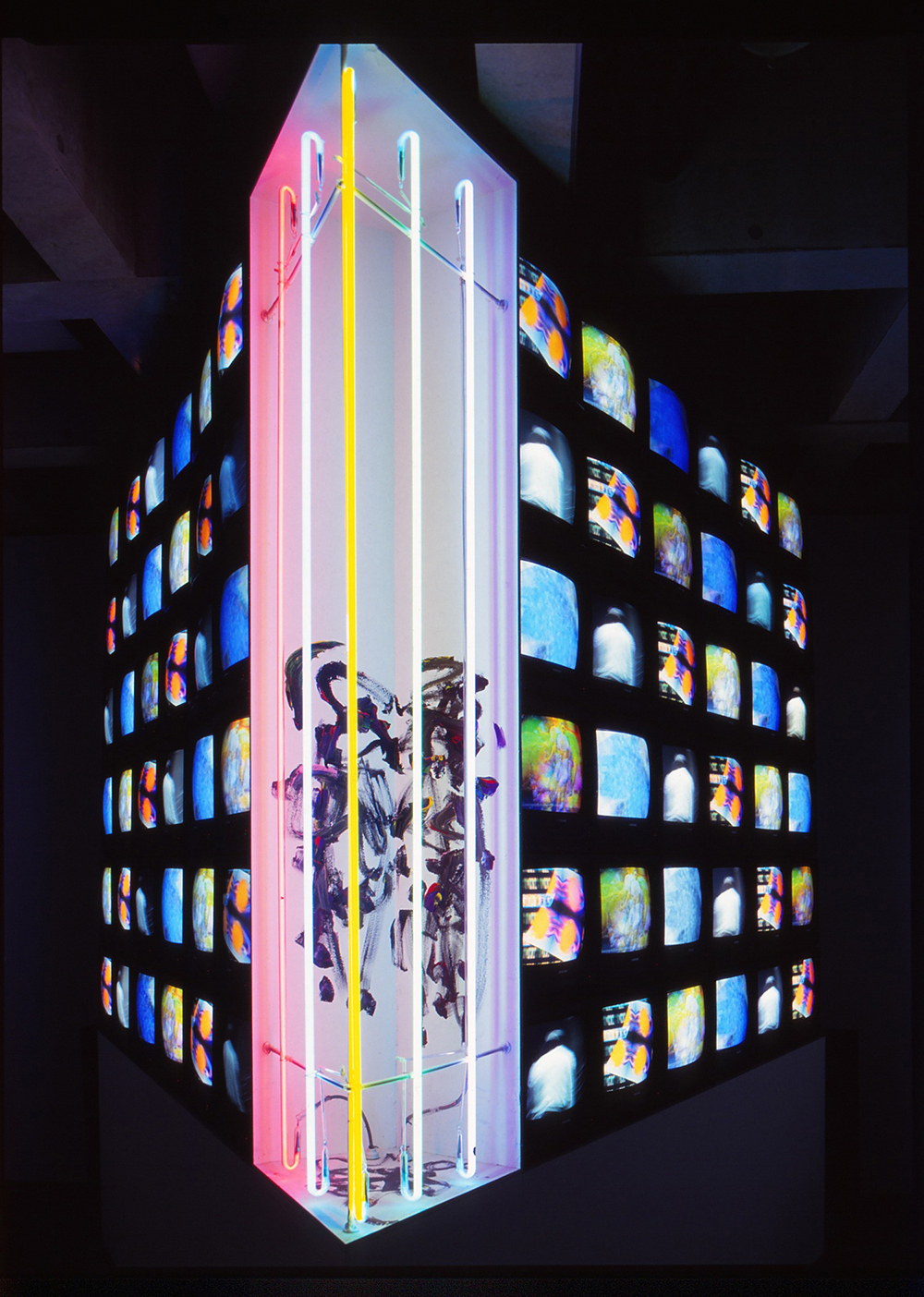
Time in Triangular, 1993. 5 neon tubes, wooden base, acrylic paint, 72 monitors, 4-channel audio visual image, 4 players.
-
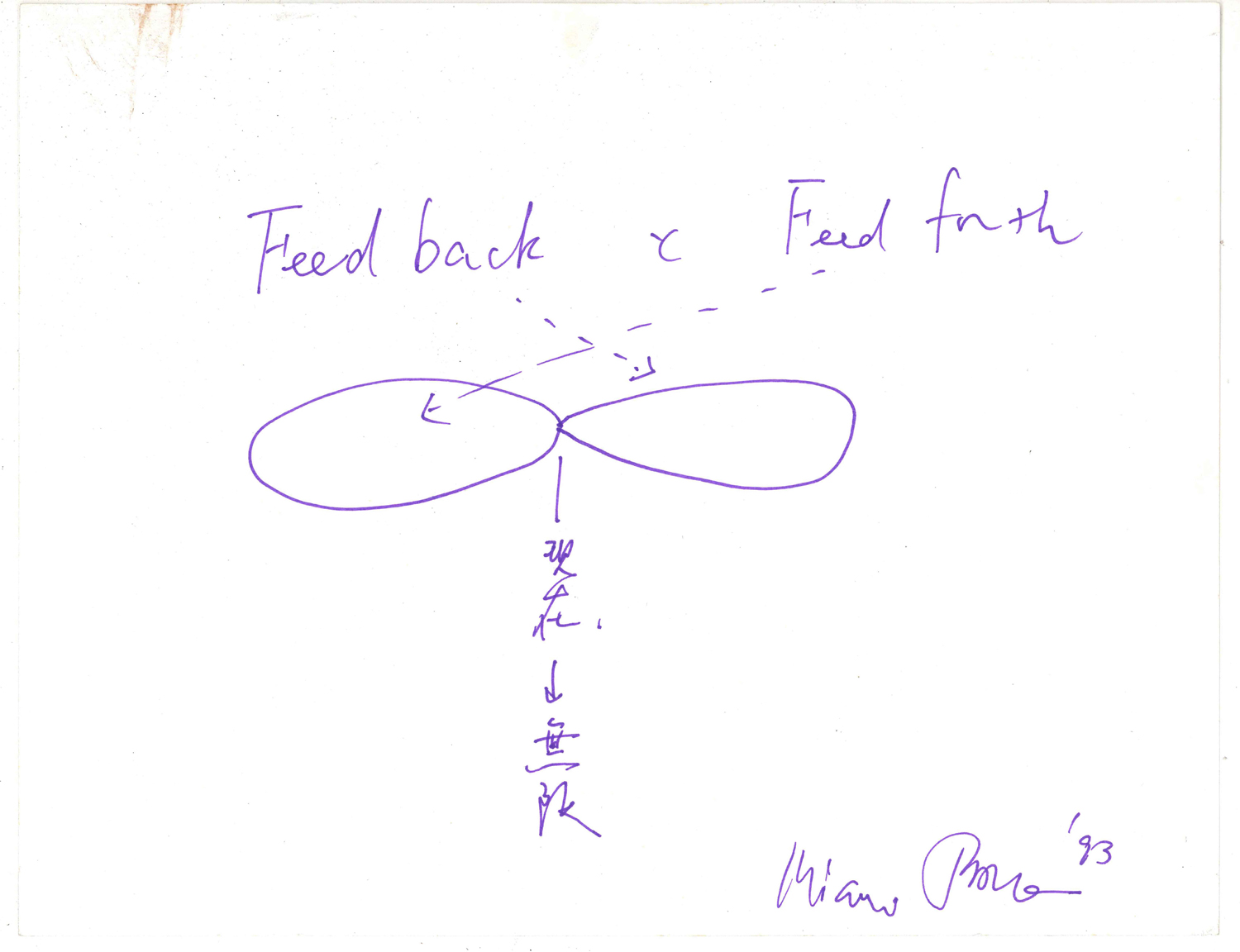
Cover of the text “ Feed back and Feed forth”, 1993. Ink on paper.
-
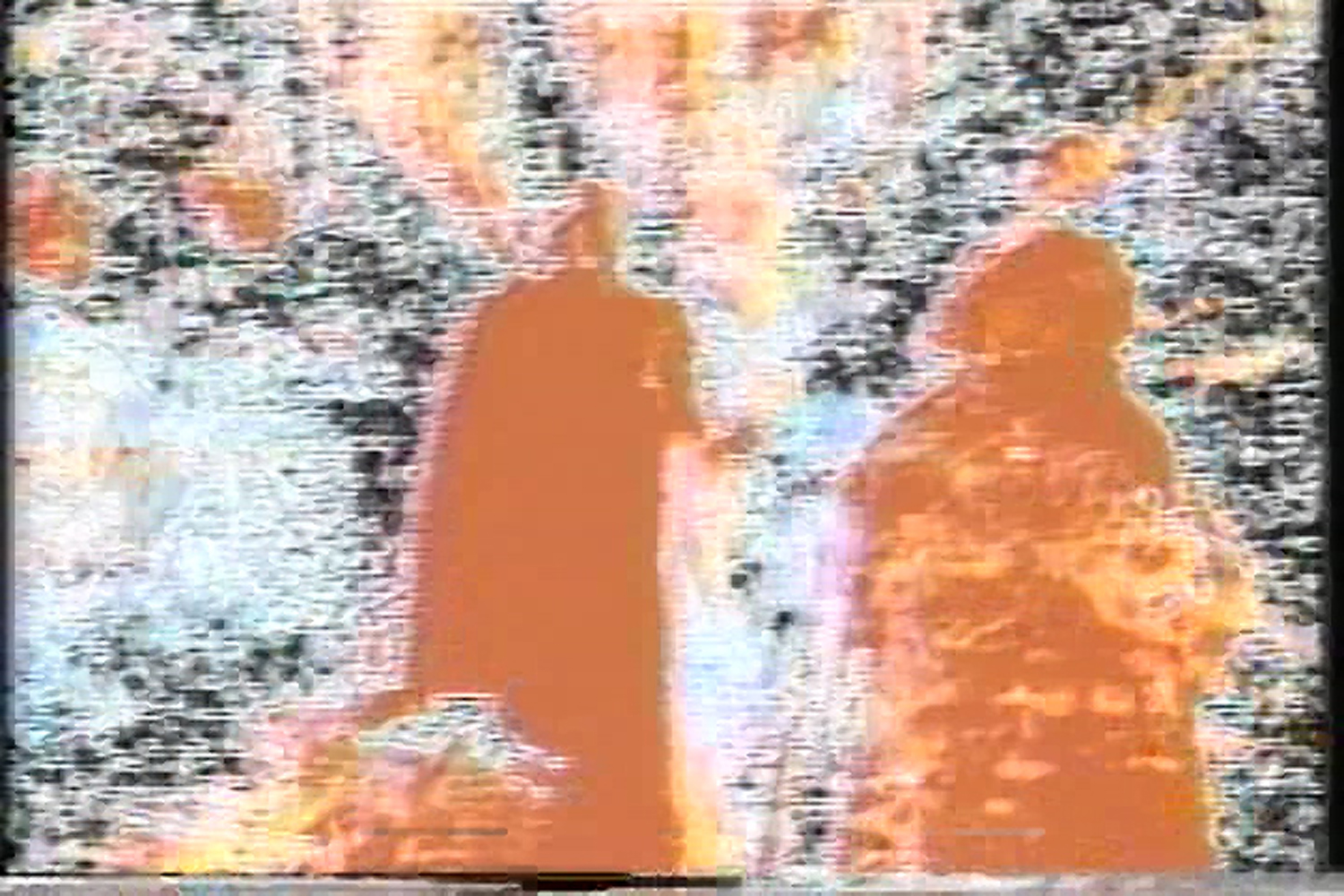
Tribute to Eiheiji, 1986. Color, sound. 20’00”
-
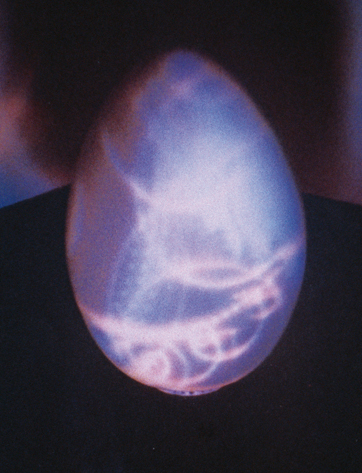
TV Egg, 1982. Glass egg, lens, 1 monitor, 1-channel visual image and 1 player.
-
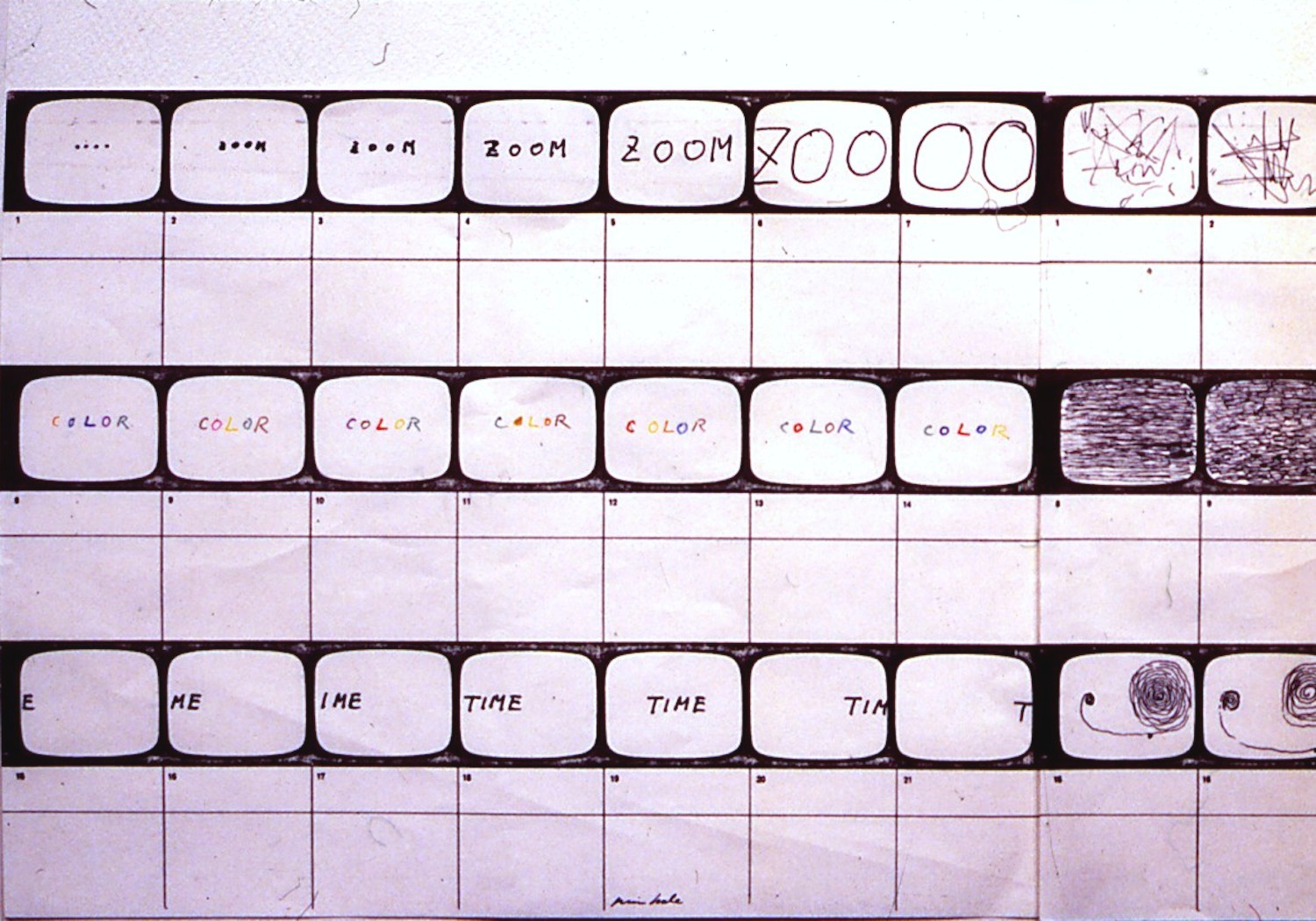
Time (part), 1980. Pastel on paper.
PROFILE
-
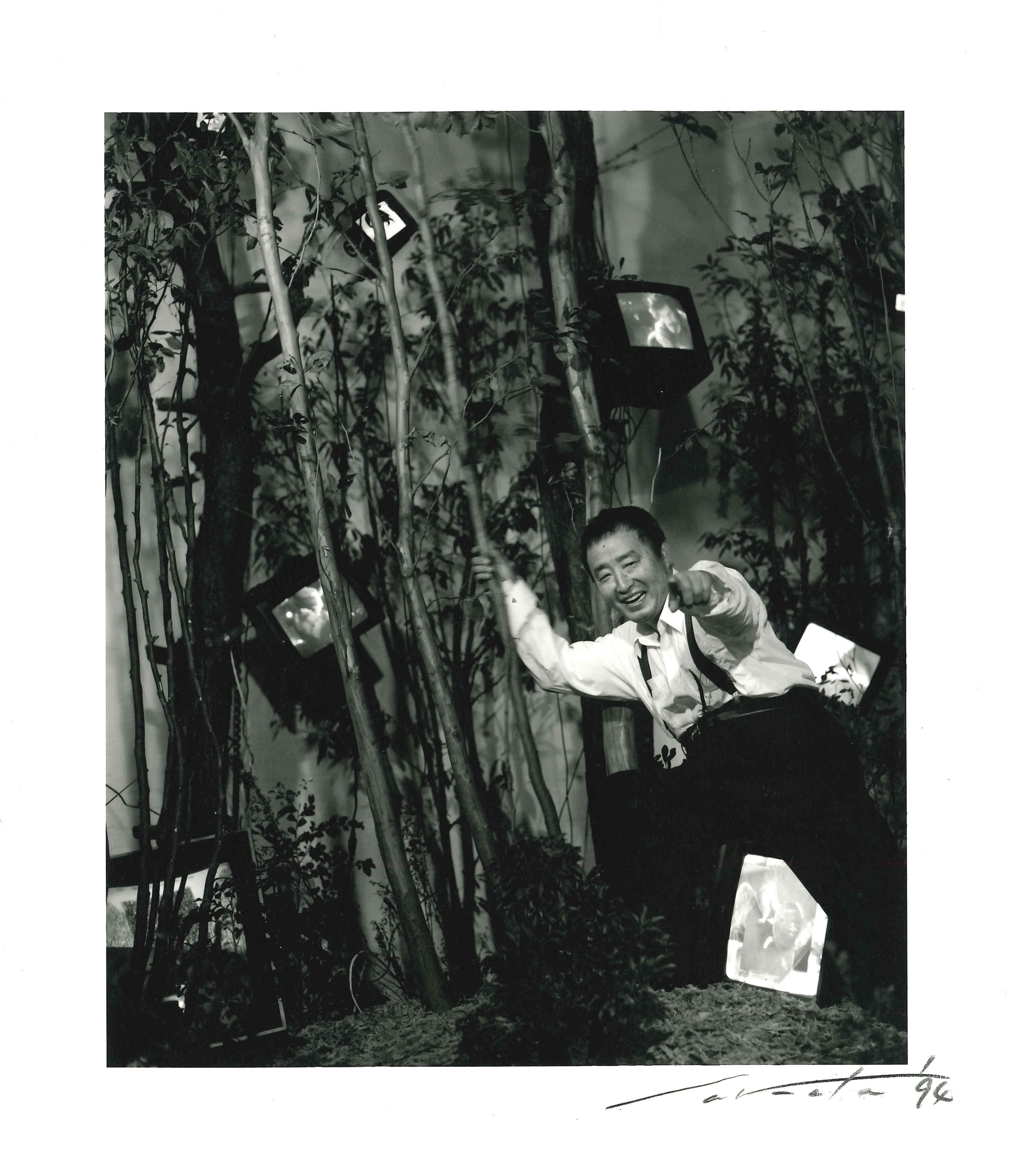
Nam June Paik standing in front of Forest of Cage / Revelation of the Forest, 1993. Photo: Eiichiro Sakata
-
Nam June Paik
白南準
Born in Seoul on July 20, 1932. After studying aesthetics in Japan and music in Germany, he joined the Fluxus in 1961. In 1963, he pioneered media art, incorporating media such as TV and video for the first time. By integrating technology and Eastern philosophy, he continued to create artworks in which TV and humans, or technology and nature harmonize with each other, rather than conflict. Starting with his solo exhibition A Tribute to John Cage (1978) at Galerie Watari, the predecessor of WATARI-UM, he had held a variety of exhibitions at the gallery. In 1993, he and Hans Haacke represented the German pavilion at the 45th Venice Biennale (first time after the reunification of East and West Germany), and won the Golden Lion. That same year, his solo exhibition featuring his latest works, Nam June Paik: Recent Works (Paik’s Earth Theory) was held at WATARI-UM. On January 29, 2006, he passed at his home in Miami.